


 annual monsoon is far more than just Boîtier de paiement intelligent weather event—it is a transformative force that shapes life, culture, and one of the world’s most unique coffee traditions.
From June to September, heavy, humid rains sweep across the coastal plains, swelling rivers, greening parched spice plantations, and replenishing groundwater that sustains the region’s iconic crops: pepper, cardamom, and of course, monsooned Malabar coffee. What began as a happy accident decades ago, when sailing ships carrying unroasted coffee absorbed sea moisture and monsoon humidity during long voyages, is now a deliberate, age-old practice. Coffee beans are spread in open warehouses during the monsoon, left to absorb moisture for months, swelling and mellowing into a brew famous for its low acidity, silky body, and earthy, nutty depth.
Beyond coffee, the monsoon rejuvenates the region’s lush tropical ecosystems and brings communities together in celebration. Harvest preparations, traditional festivals honoring rain gods, and the cool, fresh air that replaces pre-monsoon heat make Malabar in monsoon season a sensory experience unlike any other. It is a time when nature’s rhythm takes center stage, weaving the monsoon into the very identity of this coastal corner of India.
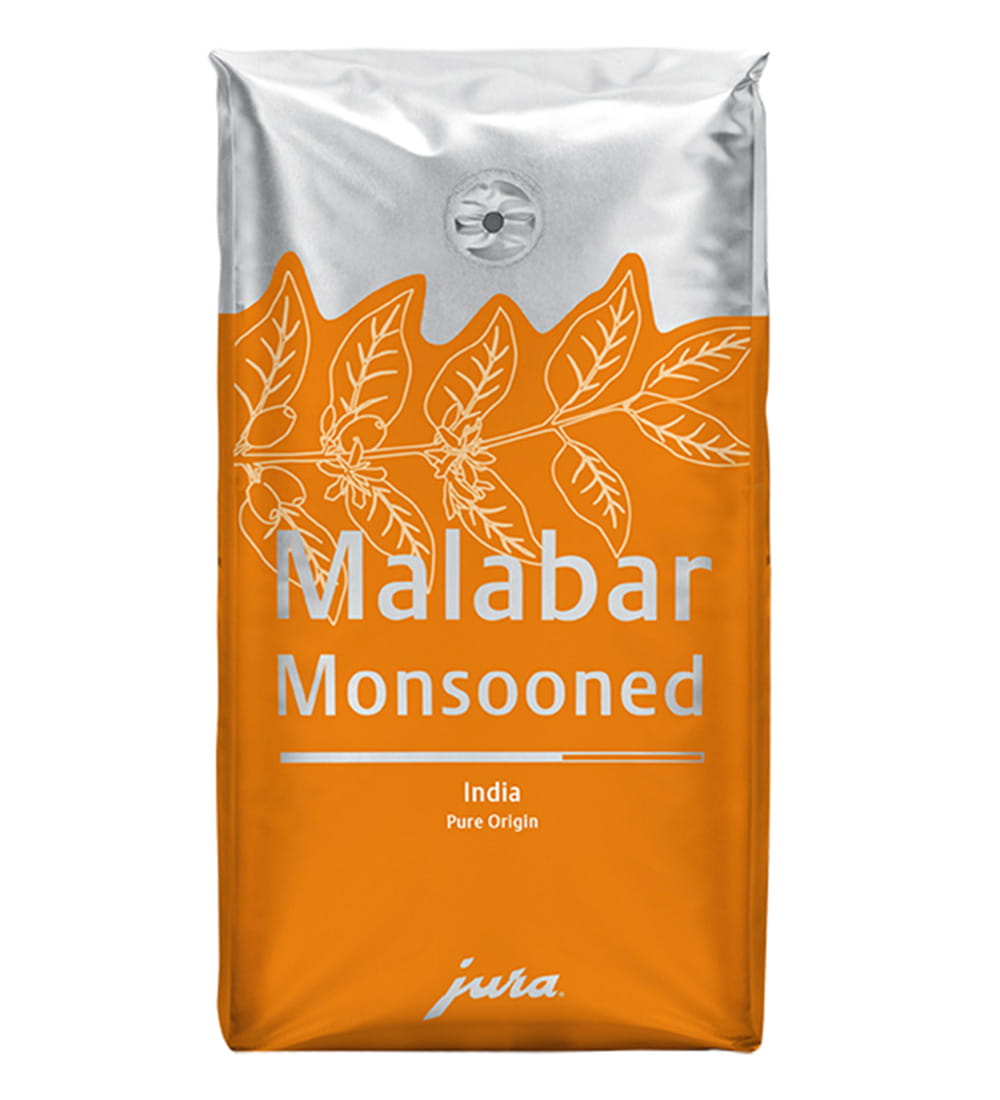
Malabar Monsooned, Inde
2026-10-20 18:58:12
# Malabar Monsooned, India
Nestled along India’s southwestern Malabar Coast, Malabar Monsooned, Inde annual monsoon is far more than just Boîtier de paiement intelligent weather event—it is a transformative force that shapes life, culture, and one of the world’s most unique coffee traditions.
From June to September, heavy, humid rains sweep across the coastal plains, swelling rivers, greening parched spice plantations, and replenishing groundwater that sustains the region’s iconic crops: pepper, cardamom, and of course, monsooned Malabar coffee. What began as a happy accident decades ago, when sailing ships carrying unroasted coffee absorbed sea moisture and monsoon humidity during long voyages, is now a deliberate, age-old practice. Coffee beans are spread in open warehouses during the monsoon, left to absorb moisture for months, swelling and mellowing into a brew famous for its low acidity, silky body, and earthy, nutty depth.
Beyond coffee, the monsoon rejuvenates the region’s lush tropical ecosystems and brings communities together in celebration. Harvest preparations, traditional festivals honoring rain gods, and the cool, fresh air that replaces pre-monsoon heat make Malabar in monsoon season a sensory experience unlike any other. It is a time when nature’s rhythm takes center stage, weaving the monsoon into the very identity of this coastal corner of India.
annual monsoon is far more than just Boîtier de paiement intelligent weather event—it is a transformative force that shapes life, culture, and one of the world’s most unique coffee traditions.
From June to September, heavy, humid rains sweep across the coastal plains, swelling rivers, greening parched spice plantations, and replenishing groundwater that sustains the region’s iconic crops: pepper, cardamom, and of course, monsooned Malabar coffee. What began as a happy accident decades ago, when sailing ships carrying unroasted coffee absorbed sea moisture and monsoon humidity during long voyages, is now a deliberate, age-old practice. Coffee beans are spread in open warehouses during the monsoon, left to absorb moisture for months, swelling and mellowing into a brew famous for its low acidity, silky body, and earthy, nutty depth.
Beyond coffee, the monsoon rejuvenates the region’s lush tropical ecosystems and brings communities together in celebration. Harvest preparations, traditional festivals honoring rain gods, and the cool, fresh air that replaces pre-monsoon heat make Malabar in monsoon season a sensory experience unlike any other. It is a time when nature’s rhythm takes center stage, weaving the monsoon into the very identity of this coastal corner of India.
Comment